Market Mix Modeling for a Retailer

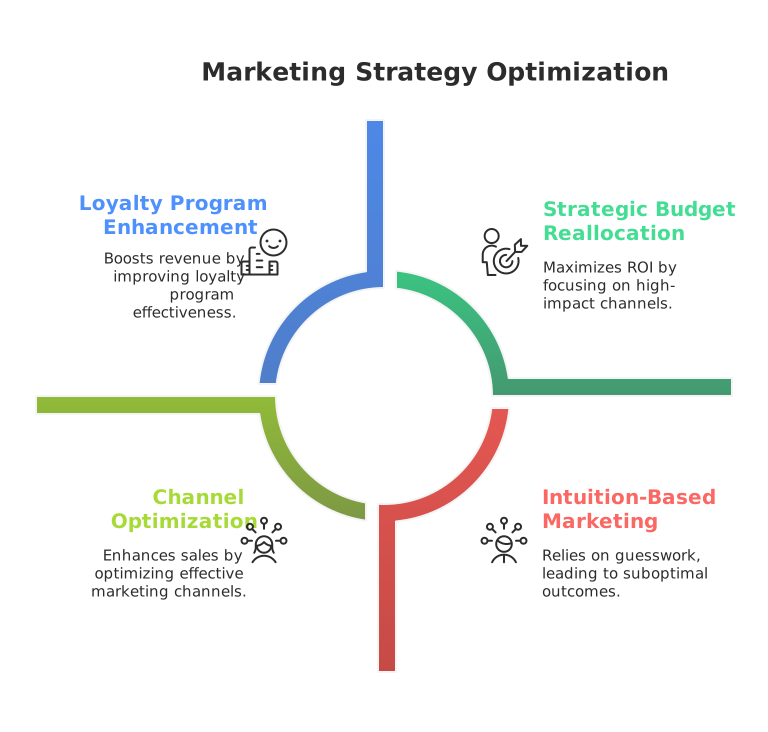
Market Mix Modeling (MMM) to gain data-driven insights into their marketing effectiveness. By quantifying channel contributions, measuring loyalty program impact, and uncovering cross-channel synergies, the retailer achieved a 14% increase in overall marketing ROI and a 20% rise in revenue from loyalty members. This enabled strategic budget reallocation and a significant improvement in marketing efficiency, transforming their approach from intuition-based to highly optimized.

 Objective

In the fast-paced QSR (Quick Service Restaurant) and Retail sector, marketing dollars need to work harder than ever. A leading omnichannel retailer faced significant challenges in making their marketing budget truly effective. They struggled to pinpoint exactly which marketing efforts were driving sales, how their popular loyalty program impacted revenue, and how to balance long-term brand building with short-term campaigns. Crucially, they lacked clear insights into how different marketing channels worked together, making efficient budget allocation a constant guessing game. Their key objectives were to:

  • Quantify Channel Effectiveness: Understand the precise contribution of each marketing channel to sales.
  • Measure Loyalty Program Impact: Clearly see the incremental value generated by their loyalty initiatives.
  • Optimize Budget Allocation: Shift marketing spend to channels and strategies that delivered the highest ROI.
  • Uncover Cross-Channel Synergies: Identify how different channels amplified each other’s impact.
  • Improve Overall Marketing Efficiency: Drive more sales and customer retention with the same or even reduced budget.

 The Challenge: Unclear Marketing Impact & Suboptimal Spend

The retailer was grappling with several critical issues that led to inefficient marketing spend and missed opportunities:

  • Difficulty Quantifying ROI: They couldn’t accurately measure the return on investment for individual marketing channels, making strategic decisions challenging.
  • Uncertainty of Loyalty Program Value: Despite having a loyalty program, they struggled to attribute specific sales and retention gains directly to it.
  • Brand vs. Campaign Attribution: It was hard to distinguish whether sales spikes came from long-term brand building efforts or specific, short-term promotional campaigns.
  • Lack of Cross-Channel Clarity: They didn’t understand how their TV ads might influence online searches or how digital campaigns affected in-store visits, leading to fragmented strategies.
  • Inefficient Budget Allocation: Without clear data, marketing budget allocation was based on intuition rather than proven performance, leading to suboptimal outcomes.

These challenges underscored the urgent need for a sophisticated, data-driven approach to marketing optimization.
MMM

 Our Approach: Building a Data-Driven Marketing Blueprint

IntelYuga partnered with the omnichannel retailer to deploy a comprehensive Market Mix Modeling (MMM) solution, designed to provide clarity and optimize their marketing investments. Our approach was systematic and deeply analytical:

 1. Holistic Data Collection & Integration:

We started by meticulously gathering vast amounts of historical data. This included internal data on sales, detailed marketing expenses across all channels, customer acquisition costs, and granular loyalty program metrics.1 We then combined this with crucial external factors like seasonality, holiday periods, and broader macroeconomic indicators, ensuring a complete picture for analysis.

2. Quantifying Channel Contribution with Adstock Modeling:

To truly understand the impact of each marketing dollar, we used regression models coupled with Adstock transformations. Adstock accounts for the “carryover effects”—the lingering impact of an advertisement even after its immediate exposure.2 This allowed us to precisely quantify each marketing channel’s contribution to sales, moving beyond simple last-touch attribution.

3. Uncovering Cross-Channel Synergies:

We didn’t just look at channels in isolation. Our regression models incorporated interaction terms to model cross-channel synergies. For example, we could reveal how TV ads influenced online search traffic or how social media campaigns drove in-store purchases, enabling more integrated strategies.

4. Measuring Loyalty Program’s Incremental Value:

To understand the true power of their loyalty program, we meticulously segmented customers into loyalty members and non-members. We then built models to measure the incremental revenue generated by loyalty members, analyzing key metrics like increased purchase frequency, higher Average Order Value (AOV), and improved Customer Lifetime Value (CLTV).

 5. Dynamic Budget Simulation & ‘What-If’ Scenarios:

To make insights actionable, we developed an intuitive Power BI-based tool. This powerful tool allowed the client to simulate various budget reallocations across channels, enabling real-time ‘what-if’ scenario testing. This gave them the power to identify the optimal marketing spend allocation for maximizing ROI before committing resources.

 Impact: Quantifiable Results and Strategic Insights

IntelYuga’s Market Mix Modeling solution delivered remarkable, measurable improvements and strategic advantages for the omnichannel retailer:

MetricBeforeAfterImprovement
Marketing ROIBaselineIncreased+14%
Revenue from Loyalty MembersBaselineIncreased+20%
Marketing EfficiencyModerateHighSignificant Improvement
Cross-Channel CoordinationLimitedEnhancedImproved

Beyond the numbers, the qualitative impact was equally significant:

  • Strategic Budget Reallocation: The clear insights allowed the client to reallocate their marketing budget with confidence, leading directly to a 14% improvement in overall marketing ROI.
  • Validated Loyalty Program Effectiveness: Insights into the loyalty program’s impact provided clear justification for continued investment, resulting in a substantial 20% increase in revenue specifically from loyalty members.
  • Enhanced Cross-Channel Coordination: Discovering that TV ads drove significant online search traffic enabled the retailer to better coordinate traditional and digital campaigns, leveraging synergies for greater overall impact.
  • Data-Driven Decision Making: Marketing teams could now make decisions based on robust data and predictive simulations, replacing guesswork with strategic foresight.
  • Sustainable Growth: The ability to continuously optimize marketing spend ensures a scalable framework for long-term growth and competitiveness in the dynamic retail sector.

 Conclusion

This case study clearly demonstrates that in the complex QSR/Retail landscape, adopting a sophisticated Market Mix Modeling approach is not just beneficial—it’s transformative. By partnering with IntelYuga, this leading omnichannel retailer successfully moved from fragmented, intuition-based marketing to a highly optimized, data-driven strategy.

The result was a powerful combination of significantly increased marketing efficiency, validated loyalty program value, and clear insights into cross-channel dynamics. This allowed for precise budget allocation and ultimately, higher profitability. IntelYuga continues to empower businesses to unlock new levels of performance and achieve sustainable growth through innovative analytics and strategic insights.
How Intelyuga Transformed Retail Performance Analytics for a Leading Retailer

Boosting ROI by 35%, Cutting Inventory Costs by 25%, and Enhancing Customer Loyalty

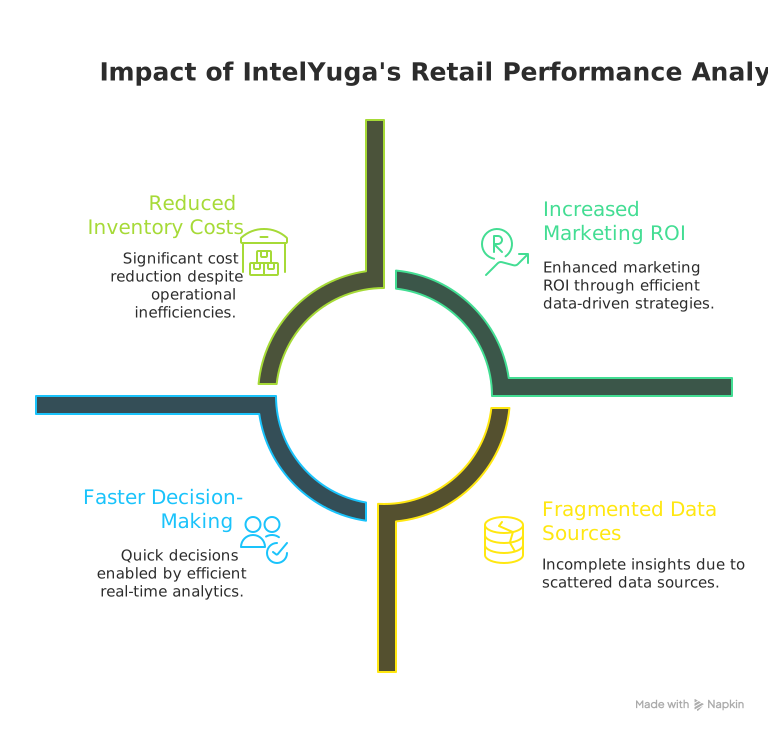
Retail Performance Analytics solution transformed a leading omnichannel retailer’s operations and profitability. Addressing challenges like fragmented data, delayed decisions, and inventory imbalances, IntelYuga implemented a unified data platform, developed real-time analytics dashboards, leveraged AI-driven customer segmentation, and deployed predictive inventory management models. This comprehensive approach led to remarkable results: a 35% increase in marketing ROI, a 25% reduction in inventory costs, and a 20% improvement in customer retention, ultimately driving faster decision-making and enhanced operational efficiency.

 Objective

In the dynamic retail landscape, where online and brick-and-mortar experiences intertwine, a major omnichannel retailer aimed to sharpen its competitive edge. Operating across multiple regions, they recognized the critical need to move beyond traditional methods and embrace data-driven insights. Their core objectives were to:

  • Sharpen Decision-Making: Move beyond intuition, embracing a precise, data-driven approach for critical retail decisions in areas like marketing and inventory.
  • Elevate Customer Experience: Optimize operations and significantly enhance customer satisfaction across all retail touchpoints, both in-store and online.
  • Fuel Business Expansion: Leverage actionable insights to make smarter choices on products, pricing, and inventory management, ensuring sustainable profitability and growth.
  • Maximize Marketing Impact: Boost marketing ROI by deeply understanding campaign performance and what genuinely resonates with customers, leading to more effective campaigns.

 The Challenge: Fragmented Data, Reactive Decisions, and Inefficient Operations

The retailer was grappling with several significant hurdles that hindered their efficiency and profitability:

  • Fragmented Data Sources: Information was siloed across in-store sales, various online platforms, and diverse customer loyalty programs. This patchwork of data led to incomplete insights and a lack of a unified customer view.
  • Delayed Decision-Making: Without real-time analytics, critical marketing and inventory decisions were reactive, often missing key opportunities to capitalize on trends or address issues promptly.
  • Low Campaign ROI: Inefficient customer targeting and generic promotions resulted in poor customer engagement and low returns on their marketing investments, wasting valuable budget.
  • Inventory Imbalances: Frequent stockouts of popular items disappointed customers, while overstock situations tied up capital and increased carrying costs, negatively impacting profitability and satisfaction.

These challenges underscored the urgent need for a comprehensive analytics solution that could unify data, provide real-time insights, and enable proactive decision-making.

 Our Approach: Building a Unified, Predictive Retail Analytics Solution

IntelYuga partnered with the leading retailer to implement a robust and innovative Retail Performance Analytics solution. Our systematic, data-intensive approach was designed to overcome their challenges and drive tangible results:

  1. Data Integration and Cleansing:

We began by implementing a unified data platform. This consolidated data from all sales channels (brick-andmortar and e-commerce), inventory systems, and customer touchpoints. Our meticulous data cleansing processes ensured the accuracy, consistency, and completeness of their entire data landscape, providing a reliable foundation.

  1. Real-Time Analytics Dashboard:

To combat delayed decision-making, we developed a customizable, intuitive real-time analytics dashboard. This dashboard provided live insights into sales trends, customer behavior, and campaign performance at a glance, empowering marketing, sales, and operations teams to make quick, informed decisions.

  1. Advanced Customer Segmentation:

Leveraging cutting-edge AI-driven analytics, IntelYuga helped the client segment their customer base with unprecedented precision. This allowed for the creation of highly targeted marketing campaigns, tailored specifically to individual customer preferences, demographics, and purchasing behaviors.

  1. Predictive Inventory Management:

To tackle inventory imbalances, IntelYuga deployed sophisticated machine learning models. These models accurately forecasted demand, significantly reducing both costly stockouts and capital-intensive overstock risks. This optimization led to more efficient warehouse operations and improved product availability.

 Impact: Transformative Results and Sustainable Growth

IntelYuga’s Retail Performance Analytics solution delivered truly transformative results for the leading omnichannel retailer, significantly enhancing their operational efficiency, profitability, and customer satisfaction:

  • 35% Increase in Marketing ROI: Through smarter campaign targeting and optimized budget allocation driven by data, the client achieved a substantial boost in their marketing return on investment.
  • 25% Reduction in Inventory Costs: By optimizing stock levels based on accurate predictive analytics, the retailer significantly cut down on carrying costs and waste.
  • 20% Improvement in Customer Retention: Delivering personalized shopping experiences, informed by advanced customer segmentation, directly led to a stronger, more loyal customer base.
  • Faster Decision-Making: With real-time dashboards providing immediate access to critical insights, marketing, sales, and operations teams could make rapid, data-driven decisions, capitalizing on fleeting opportunities.
  • Enhanced Operational Efficiency: The combined impact of optimized marketing, streamlined inventory, and quicker insights led to a more agile and efficient overall retail operation.

 Conclusion

By leveraging IntelYuga’s deep expertise in retail performance analytics, the client fundamentally transformed their approach to data. They shifted from reactive guesswork to proactive, insight-driven strategies that touched every facet of their business, from customer engagement to supply chain management.

This collaboration not only improved key financial metrics—like marketing ROI and reduced inventory costs—but also significantly enhanced customer satisfaction and strategically positioned the retailer for sustainable growth in a competitive and evolving market. IntelYuga continues to empower businesses to unlock new levels of performance and achieve lasting success through the power of data.

CASE STUDY: Data-Driven Food Customer Analytics

This case study explores how a multinational food manufacturer leveraged Food Customer Analytics to transform its operations, drive growth, and enhance customer engagement. By implementing a comprehensive data-driven approach encompassing customer analytics, predictive modeling, supply chain optimization, and personalized menu strategies, the manufacturer successfully capitalized on emerging trends like on-demand delivery, reduced operating costs, and strengthened its competitive edge in the HORECA and food & beverage sectors.


Objective


In the fast-paced food industry, understanding and catering to consumer needs is crucial. A major US-based multinational food and beverage manufacturer aimed to revolutionize its operations and market presence with the following objectives:


  • Capitalize on Emerging Trends: Explore opportunities in on-demand delivery services and cloud kitchens, driven by the increasing demand for international cuisine and technology-driven ordering systems.
  • Optimize Operational Efficiency: Streamline complex logistics, warehouse management, and order fulfillment processes to reduce costs and improve service delivery.
  • Enhance Customer Experience: Provide real-time tracking, reliable delivery, and highly personalized service to improve customer satisfaction.
  • Drive Strategic Market Entry: Gain critical insights into market dynamics to successfully launch new services, particularly in the US commercial sector.
  • Boost Profitability & Competitiveness: Make data-driven decisions on product development, pricing, and marketing to secure a leading edge in the market.


Our Approach


Our  partnered with the multinational food manufacturer to implement a cutting-edge Food Customer Analytics solution, addressing their unique challenges through a comprehensive, data-driven approach:


1. Holistic Data Aggregation & Unification:


We established the foundation by collecting comprehensive customer data from diverse sources, creating a robust, 360-degree view. This included:


  • Purchase History: Data from point-of-sale systems and online interactions.
  • Demographics & Preferences: Insights into customer profiles and tastes.
  • Online Interactions: Website analytics and engagement with digital platforms.
  • Market & Demand Data: Information on evolving consumer preferences and international cuisine trends.
  • Logistics & Operational Data: Insights from transportation, warehouse, and order management systems.


2. Advanced Analytical Modeling & Predictive Insights:


Leveraging powerful AI and Machine Learning, we employed sophisticated analytical techniques to transform raw data into actionable intelligence:


  • Customer Segmentation & Profiling: Categorizing customers into distinct groups based on buying habits, dietary preferences, and behavior.
  • Predictive Modeling & Forecasting: Analyzing historical data to anticipate future customer behavior, demand trends, and market shifts (e.g., for seasonal dishes or new cuisines).
  • Customer Satisfaction Analysis: Evaluating feedback and interactions to pinpoint areas for service and product improvement.
  • Prescriptive Analytics: Generating AI-driven recommendations for optimal actions, such as personalized offers or dynamic pricing strategies.


3. Strategic Optimization & Real-time Execution:


The deep insights were directly applied to optimize key operational and marketing areas:


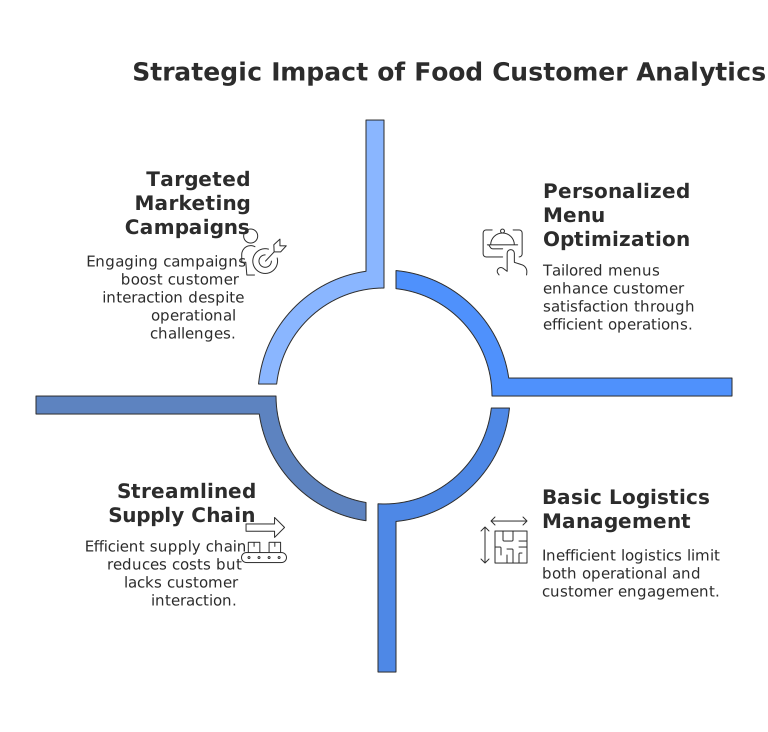
  • Personalized Menu Optimization: Curating menus tailored to specific customer segments and emerging tastes.
  • Dynamic Pricing Strategies: Adjusting prices in real-time based on demand patterns and market fluctuations.
  • Targeted Marketing & Personalization: Delivering highly relevant messages and promotions to individual customers.
  • Supply Chain & Logistics Streamlining: Optimizing route planning, inventory management, and multi-drop delivery processes.
  • Workforce Optimization: Utilizing predictive modeling to forecast staffing needs and enhance productivity.


4. Continuous Performance Monitoring & Iterative Refinement:


Key Performance Indicators (KPIs) like Delivery Speed, Average Order Size, Customer Review Scores, Order Accuracy, and Food Cost Percentage were continuously monitored. This iterative approach allowed for real-time adjustments and ongoing optimization of strategies for maximum efficiency and customer satisfaction.


food customer

Impact


 Food Customer Analytics solution delivered transformative results, enabling the multinational food manufacturer to overcome significant challenges and achieve their strategic objectives:


  • Successful New Market Entry: The client successfully launched a food delivery system for the commercial sector in the US, effectively capitalizing on the on-demand delivery trend.
  • Optimized Operations: Devised a highly efficient transportation, warehouse, and order management system, enabling smoother operations and reduced complexities.
  • Enhanced Customer Experience: Implemented real-time truck shipment tracking systems, empowering consumers with transparency and improving delivery reliability.
  • Reduced Operating Costs: Streamlined logistics and optimized inventory through data-driven insights.
  • Improved Customer Service & Engagement: Delivered a better customer experience, leading to enhanced engagement and retention.
  • Streamlined E-commerce: Adapted seamlessly to evolving customer needs in the digital space.
  • Real-time Decision-Making: Empowered the client to make agile, informed decisions across their operations.


Key Benefit Areas & Scenarios


Food Customer Analytics provides actionable insights that address critical challenges and unlock opportunities across the food and beverage industry:


  • Adapting to Shifting Customer Preferences: Leverage consumer analytics to identify emerging tastes, dietary trends, and international cuisine demand, informing new product development and personalized menu offerings.
  • Optimizing Delivery Reliability & Logistics: Implement dynamic routing, real-time tracking, and accurate ETA predictions to ensure timely deliveries, enhancing customer satisfaction and trust.
  • Minimizing Food Costs & Waste: Utilize demand forecasting and inventory optimization based on historical sales and seasonal patterns, leading to reduced spoilage and more efficient resource allocation.
  • Navigating Market Price Volatility: Employ real-time market monitoring and predictive pricing algorithms to adapt strategies dynamically, optimizing profit margins amidst fluctuating costs.
  • Ensuring Safety & Hygiene Standards: Drive proactive risk management through analytics on compliance adherence, sanitation practices, and employee health, crucial in maintaining consumer trust.
  • Streamlining Workforce Management: Use workforce analytics to forecast staffing needs and optimize resource allocation, mitigating challenges posed by skilled labor scarcity.


Conclusion


In an industry as dynamic and competitive as food and beverage, Food Customer Analytics is no longer just an advantage—it’s an essential catalyst for growth. By systematically collecting, analyzing, and acting on customer and operational data, businesses can move beyond traditional guesswork.


IntelYuga’s approach empowers manufacturers and restaurants alike to deeply understand their customers, optimize every facet of their supply chain and operations, and make real-time, data-driven decisions. This strategic shift not only reduces costs and enhances service but fundamentally transforms market positioning, ensuring sustained growth and a resilient future in the ever-evolving world of food consumption.

Data-Driven Telecom Analytics

CASE STUDY: Data-Driven Telecom Analytics

Boosting Revenue with Targeted Cross-Selling and Upselling for a Leading Telecommunications Provider Aiming for 15% Revenue Growth

Data-Driven Telecom Analytics solution helped a leading telecommunications provider achieve significant revenue growth by optimizing cross-selling and upselling. Addressing challenges of generic offerings and untapped potential, IntelYuga implemented data aggregation, advanced analytical modeling (segmentation, churn prediction, propensity modeling, etc.), and customer segment identification. This enabled the development and multi-channel delivery of personalized offers. The outcome was a 12% increase in Average Revenue Per User (ARPU), an 8% improvement in cross-sell rate, 5% reduced churn, and 15% higher marketing ROI, driving the provider towards their 15% annual revenue growth target and enhancing customer loyalty.

 Objective

In the fiercely competitive telecommunications sector, sustained revenue growth depends on more than just acquiring new subscribers; it hinges on maximizing the value of every existing customer.1 A leading telecommunications provider, with an ambitious goal of 15% annual revenue growth, recognized the critical need to evolve its strategies. Their core objectives were to:

  • Maximize Revenue: Significantly increase overall revenue through highly strategic and effective cross-selling and upselling initiatives.
  • Enhance Customer Lifetime Value (CLTV): Develop deeper, more enduring customer relationships, thereby increasing the value each customer brings to the company over time.
  • Improve Campaign ROI: Optimize marketing spend by ensuring that every offer was highly relevant and delivered to the right customers at the opportune moment.
  • Boost Customer Satisfaction & Loyalty: Provide truly personalized experiences that genuinely resonate with individual customer needs and preferences, fostering greater satisfaction and long-term loyalty.

 The Challenge: Undervalued Customers and Suboptimal Growth

The telecom provider was grappling with several key challenges that hampered its growth ambitions and limited customer engagement:

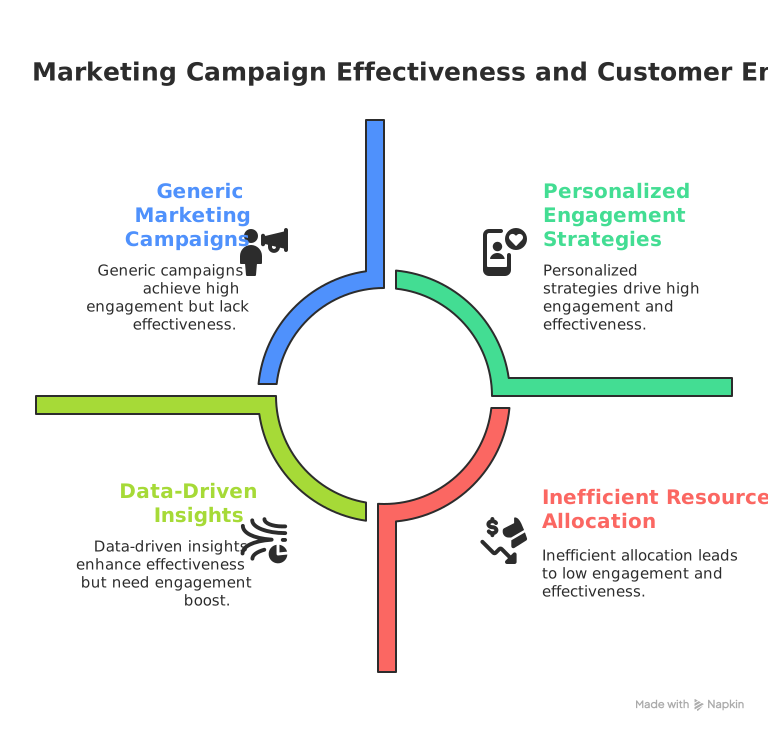
  • Generic Offerings: A “one-size-fits-all” approach meant that product bundles and promotions often failed to align with specific customer needs or usage patterns, leading to low conversion rates.
  • Inefficient Cross-Selling/Upselling: Without granular insights into customer behavior, efforts to cross-sell complementary services or upsell to higher-value plans were largely ineffective, leaving significant revenue potential untapped.
  • Wasted Marketing Spend: Broad, untargeted marketing campaigns resulted in a substantial portion of the budget being spent on customers unlikely to be interested, leading to a suboptimal return on investment.
  • Risk of Churn: A lack of personalized engagement contributed to a higher risk of customer churn, as subscribers felt less connected or valued, ultimately impacting CLTV.
  • Limited Revenue Growth: The inability to precisely identify and act on individual customer opportunities created a ceiling for revenue growth, making the 15% annual target challenging to achieve.

These challenges highlighted the urgent need for a sophisticated, data-driven approach to truly understand and engage their vast customer base.

TELECOM

 Our Approach: Precision Targeting Through Advanced Telecom Analytics

IntelYuga partnered with the telecommunications provider to implement a cutting-edge Data-Driven Telecom Analytics solution. Our systematic and technologically advanced approach focused on unlocking individualized customer insights to drive strategic growth:

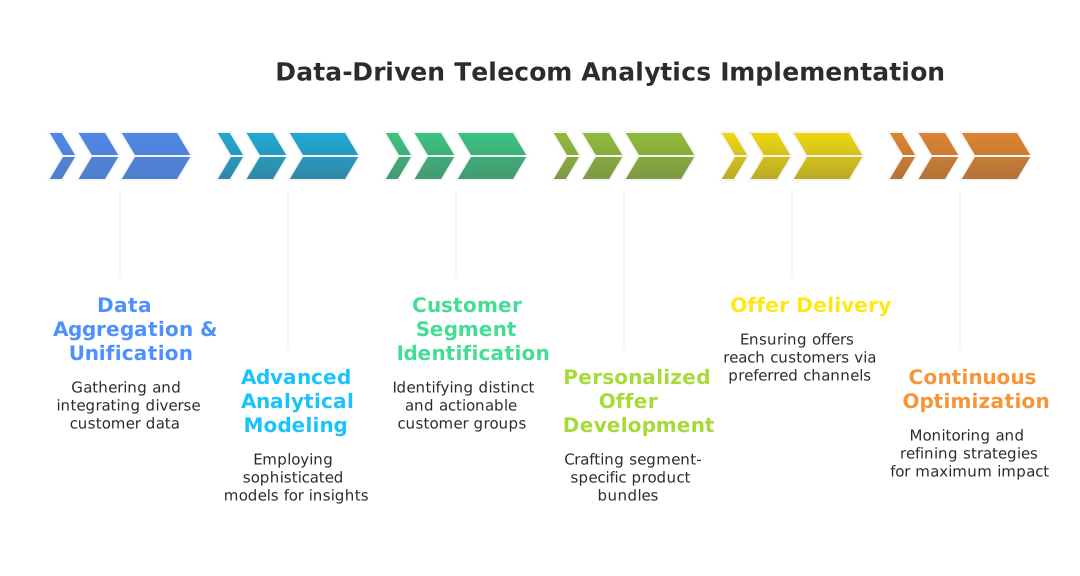
  1. Data Aggregation & Unification:

We initiated the process by creating a robust, unified data platform. This involved meticulously gathering and integrating diverse customer data from all available sources, including CRM systems, detailed Call Detail Records (CDRs), comprehensive network usage data, billing information, web/mobile app activity, social media interactions, and even location data. This created a powerful 360-degree customer view.

  1. Advanced Analytical Modeling:

Leveraging state-of-the-art analytical techniques, we employed a suite of sophisticated models to uncover actionable insights. This included:

  * Segmentation: To group customers with similar characteristics and behaviors.

  * Association Rule Mining: To discover relationships between products and services.

  * Churn Prediction: To proactively identify customers at risk of leaving.

  * Propensity Modeling: To predict the likelihood of a customer adopting a new offer.

 * Recommendation Engines: To suggest highly relevant products or services.

 * CLTV Analysis: To understand and maximize the long-term value of each customer.

  1. Customer Segment & Opportunity Identification:

Based on the advanced modeling, we identified distinct and actionable customer segments. Examples included High Data Users, Budget-Conscious Subscribers, Multi-Device Households, Rural Connectors, and Business Clients. For each segment, we pinpointed specific cross-selling and upselling opportunities that aligned with their unique needs and behaviors.

  1. Personalized Offer Development & Delivery:

We then crafted highly segment-specific product bundles, upgrade paths, and promotional messages. Utilizing the gathered data, we determined the optimal channels and timing for offer delivery. This ensured offers reached customers via their preferred methods, such as in-app notifications, SMS, personalized emails, or tailored scripts for call center interactions, maximizing impact and relevance.

  1. Continuous Optimization & Performance Monitoring:

To ensure ongoing effectiveness, we implemented a rigorous framework for continuous optimization. This involved A/B testing various offers and channels to identify the most successful approaches. We continuously monitored campaign performance against key KPIs, including conversion rates, Average Revenue Per User (ARPU), and churn reduction, iteratively refining strategies for maximum impact and sustained results.

 Impact: Accelerating Revenue Growth and Fortified Customer Loyalty

IntelYuga’s Data-Driven Telecom Analytics solution delivered exceptional, measurable results for the telecommunications provider, propelling them towards their revenue growth targets and deepening customer relationships:

  •  12% Increase in Average Revenue Per User (ARPU): Achieved a significant uplift through successful upsells to higher-value plans and the adoption of additional services, directly contributing to overall revenue growth.
  •  8% Improvement in Cross-Sell Rate: Saw a notable increase in the adoption of complementary products, such as streaming services, smart home devices, and international roaming packs, broadening the customer’s service portfolio.
  •  Higher Customer Satisfaction & Engagement: Personalized offers led to increased positive feedback and significantly higher interaction rates with digital platforms and communications, enhancing the customer experience.
  •  Reduced Churn by 5%: Proactive, data-driven retention efforts combined with timely, relevant offers helped retain at-risk customers, preserving valuable subscriber relationships.
  •  Optimized Marketing Spend: Precision targeting resulted in a 15% higher ROI on marketing campaigns by minimizing wastage and focusing resources on the most receptive customer segments.

 Key Cross-Sell & Upsell Scenarios Identified

Through our detailed analysis and modeling, we uncovered specific, high-potential cross-sell and upsell opportunities:

  • Data Usage Upselling: Customers consistently exceeding their data limits were offered larger, more cost-effective plans, converting pain points into opportunities.
  • Bundling Offers: Internet-only subscribers were strategically offered discounted TV/mobile bundles (e.g., “Triple Play” packages), increasing their service footprint.
  • Device Upgrades: Customers with older devices were targeted with compelling offers for the latest smartphones and flexible financing options, driving hardware revenue.
  • Personalized Accessory Offers: New device purchasers were immediately recommended relevant accessories (cases, chargers), enhancing their new device experience.
  • International Roaming Packages: Frequent travelers were provided with tailored roaming plans based on past travel data, ensuring seamless global connectivity.
  • Business Solutions Upselling: Small business clients were offered advanced cloud communication and collaboration tools, expanding their B2B service portfolio.

 Conclusion

By shifting from generic marketing to a data-driven, hyper-personalized approach, this telecommunications provider successfully unlocked significant revenue growth. The strategic application of analytics enabled precise identification of customer needs and preferences, leading to highly effective cross-selling and upselling campaigns.

The result was not just a substantial boost in immediate revenue and a clear path towards their 15% growth target, but a strengthened customer base characterized by higher loyalty, greater satisfaction, and increased lifetime value. IntelYuga’s partnership exemplified how advanced analytics can transform business operations, driving both financial success and superior customer experiences in the competitive telecom landscape.

Data-Driven Campaign Effectiveness Measurement Maximizing

Maximizing ROI and Repeat Customers for a Leading AthleisureData-Driven Campaign Effectiveness Measurement solution empowered a leading multinational Athleisure brand to maximize ROI and foster repeat customers. By developing a customer 360 Datamart, employing AI-powered attribution models to identify purchase drivers and repeat purchase propensity, and enabling personalized engagement strategies, the brand achieved a 20% increase in repeat customer rate. This comprehensive approach led to optimized marketing campaigns, maximized overall ROI, enhanced customer understanding, and improved campaign execution, driving sustainable growth.

 Objective

In today’s highly competitive market, truly understanding the impact of marketing efforts is paramount. For a leading multinational Athleisure brand, the objective was clear: they wanted to move beyond generic campaigns and pinpoint precise strategies that would drive measurable growth. Their specific goals included:

  • Validate Marketing Efforts: Systematically evaluate how effective each campaign was against its predefined goals, ensuring every marketing dollar was well spent.
  • Optimize Resource Allocation: Identify the most effective strategies and areas for refinement to enhance overall marketing efficiency.
  • Boost Repeat Purchases & Customer Lifetime Value (CLTV): Specifically target and convert those one-time transactional customers into loyal, repeat buyers who would stay with the brand long-term.
  • Enhance ROI: Maximize financial returns by continuously refining campaign strategies based on precise, data-driven insights.
  • Drive Sustainable Growth: Contribute to broader business goals like revenue growth and brand loyalty in a fiercely competitive landscape.

 The Challenge: Unclear Impact, Generic Strategies, and Missed Growth

The Athleisure brand faced significant hurdles in optimizing its marketing spend and fostering lasting customer relationships. They struggled with a lack of clear insights into the actual effectiveness of their diverse campaigns, often relying on generic strategies that failed to resonate deeply with their audience. This led to inefficient resource allocation and missed opportunities to convert one-time buyers into loyal, repeat customers. Without precise data, it was difficult to accurately measure the return on investment (ROI) for various marketing initiatives, hindering their ability to drive sustainable revenue growth and strengthen brand loyalty in a fiercely competitive landscape. They needed a way to understand what truly drove purchases and to engage customers more personally.

 Our Approach: Building an Intelligent Campaign Analytics Solution

IntelYuga partnered with the Athleisure brand to implement an innovative Campaign Analytics Solution, employing a systematic and data-intensive approach to revolutionize their marketing efforts:

  1. Comprehensive Data Unification & Customer 360 Datamart Development:

We began by creating a robust Customer 360 Datamart, integrating diverse data points to provide a holistic view of customer interactions. This included demographic, transactional, channel, and behavioral data, painting a complete picture of each customer’s journey and preferences.

  1. Advanced Analytical Modeling & Propensity Insights:

Leveraging sophisticated analytical techniques, including AI-powered attribution models, we uncovered critical insights. We identified key customer attributes directly influencing purchase behavior and developed propensity models to predict which transactional customers had the highest likelihood of becoming repeat purchasers. This pinpointed the specific drivers behind these high propensity levels.

  1. Strategic Activation & Personalized Engagement Planning:

The actionable insights we generated directly informed the development of precise activation plans, tailored to enhance customer journeys. This included optimizing website experiences for better conversion, devising targeted and personalized engagement strategies for marketing campaigns (including effective retargeting initiatives), and refining messaging for precise customer pool identification.1

  1. Continuous Performance Measurement & Optimization:

We established a structured measurement framework for ongoing evaluation. This involved real-time monitoring of campaign performance against key KPIs (like ROI, ROAS, CPL, CPA, CTR, Impressions), utilizing marketing tools for consistent analysis, and implementing a continuous optimization loop. This allowed for agile adjustments and iterative refinement of strategies for maximum impact.

 Impact: Quantifiable Growth and Enhanced Customer Understanding

IntelYuga’s Campaign Analytics Solution delivered transformative results for the multinational Athleisure brand, significantly bolstering their customer retention efforts and maximizing ROI:

Improved Campaign Execution: We refined customer pool identification, optimized messaging tactics, and enhanced performance measurement, aligning all efforts with ROI best practices for superior results and sustained growth. Brand

20% Increase in Repeat Customer Rate: This impressive gain was achieved during the test period, serving as direct validation of the targeted strategies and proving their effectiveness in building loyalty.

Optimized Marketing Campaign Strategies: We identified key customer cohorts and their propensity levels, leading to more effective and efficient retargeting initiatives that truly resonated.

Maximized Overall ROI: Data-backed strategies ensured resources were allocated to high-performing campaigns, effectively minimizing wastage and boosting financial returns across all marketing spend.

Enhanced Customer Understanding: The development of a comprehensive Customer 360 Datamart provided deep, actionable insights into customer behavior and purchase drivers, empowering smarter and more empathetic decisions.

Customer Segmentation in Banking For a Mid-Sized Regional Bank Driving 45% Annual Growth

CASE STUDY: Customer Segmentation in Banking

Driving 45% Annual Growth for a Mid-Sized Regional Bank Through Personalized Strategies

Customer Segmentation solution enabled a mid-sized regional bank to achieve 45% annual growth by moving beyond generic offerings to personalized strategies. By comprehensively integrating data, using advanced analytics to identify 5 distinct customer segments (based on behavior, value, life stage, and preferences), and developing detailed personas, the bank could craft tailored marketing, product bundles, and optimized channel experiences. This led to higher customer satisfaction, improved engagement, better cross-sell and retention, and more efficient marketing spend, showcasing the power of data-driven customer understanding.

 Objective

In the highly competitive banking sector, understanding and truly connecting with customers is the key to unlocking significant growth. A mid-sized regional bank, aiming to accelerate its already impressive 45% annual growth, recognized that a one-size-fits-all approach wouldn’t cut it. Their core objectives were to:

  • Understand Distinct Customer Groups: Move beyond assumptions and use data analytics to identify clear, unique customer segments.1
  • Personalize Offerings: Tailor banking products and services to individual customer needs to boost engagement and satisfaction.2
  • Optimize Marketing Spend: Ensure every marketing dollar was well-spent by precisely targeting specific, high-potential customer segments.
  • Drive Sustainable Growth: Foster deeper customer relationships to increase customer lifetime value and secure long-term, consistent growth.3

 The Challenge: Generic Strategies and Untapped Potential

While the bank was experiencing growth, they faced the common challenge of many financial institutions: a lack of granular understanding of their diverse customer base. This meant:

  • Generic Offerings: They were largely providing uniform products and services, which failed to resonate deeply with the specific needs of different customer types.
  • Inefficient Marketing: Marketing campaigns were broad, leading to wasted spend and lower engagement because messages weren’t tailored to individual preferences or life stages.
  • Missed Growth Opportunities: Without clear insights into distinct customer behaviors and values, the bank couldn’t proactively identify and cater to unmet needs, limiting their potential for even greater expansion.
  • Suboptimal Customer Satisfaction: A lack of personalization meant customer experiences were often inconsistent or irrelevant, impacting overall satisfaction and loyalty.

These challenges underscored the need for a sophisticated approach to customer segmentation to truly unlock the bank’s growth potential.

 Our Approach: Building a Data-Driven Customer Understanding

IntelYuga partnered with the mid-sized regional bank to implement a comprehensive customer segmentation strategy, transforming their approach to customer engagement and growth:

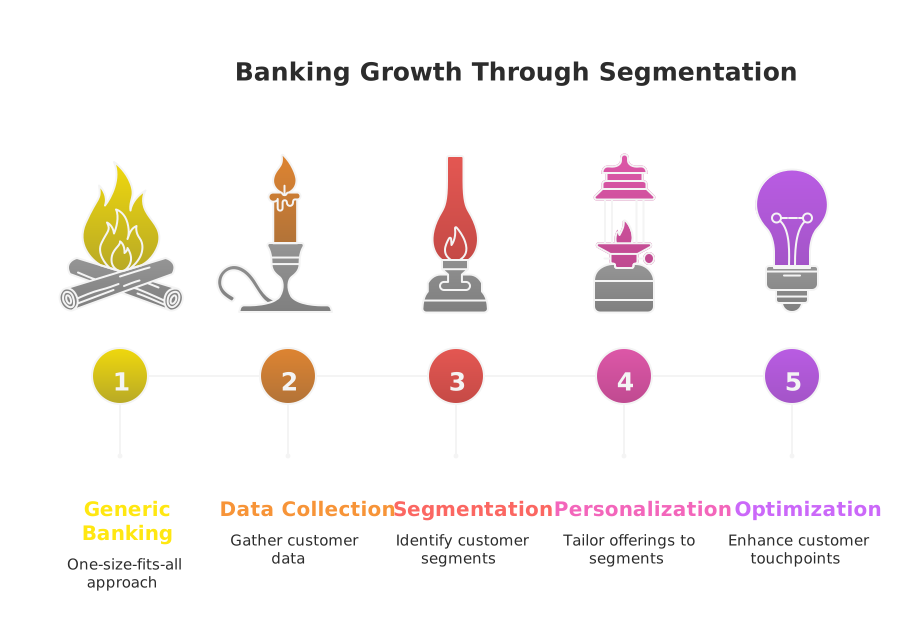
  1. Comprehensive Data Collection & Integration:

We began by meticulously gathering and integrating diverse data points to create a unified, 360-degree customer profile. This included transactional data, demographics, digital activity (like online banking usage), service interactions, and product usage history, giving a holistic view of each customer.

  1. Data-Driven Segmentation:

Leveraging advanced statistical models and machine learning algorithms, we identified 5 distinct, key customer segments. These segments were built not just on simple demographics, but on crucial insights like customer behavior, their overall value to the bank, their current life stage, and their preferred banking channels.

  1. Segment Profiling & Persona Development:

To make these segments actionable, we built detailed personas for each. These personas went beyond data points, outlining financial goals, common pain points, and specific product needs for each group. This helped the bank’s teams truly understand who they were serving.

  1. Personalized Marketing & Product Bundling:

Armed with these deep insights, we then crafted segment-specific messages, tailored product bundles, and optimized pricing strategies. This allowed the bank to meet specific customer expectations much more effectively, making their offerings highly relevant.

  1. Channel & Experience Optimization:

Finally, we optimized customer touchpoints—from mobile banking apps to physical branches and digital platforms—based on the preferences of each segment. This also involved identifying and creating new offerings to address previously unmet needs within specific customer groups, enhancing the overall banking experience.

 Impact: Accelerated Growth and Deeper Customer Relationships

IntelYuga’s customer segmentation solution delivered truly transformative results for the mid-sized regional bank, directly contributing to their impressive annual growth and strengthening their market position:

  • 45% Annual Growth: The bank achieved a significant revenue increase, directly attributed to their ability to implement highly effective, segment-specific targeting and product offerings.
  • Higher Customer Satisfaction: Personalization efforts led to improved satisfaction scores across all customer types, as clients felt more understood and better served.
  • Improved Engagement: Relevant messaging and tailored experiences resulted in increased interaction with digital platforms and marketing campaigns, boosting overall customer involvement.4
  • Better Cross-Sell & Retention: Deeper relationships fostered by personalization led to increased uptake of multiple products by existing customers, alongside a notable reduction in customer churn.
  • More Efficient Marketing Spend: Precision targeting reduced marketing wastage, resulting in a significantly higher marketing ROI.5

 Customer Segments Identified

Through our comprehensive analysis, we identified 5 distinct customer segments, each requiring a tailored approach:

  • High-Net-Worth Individuals: These clients were primarily seeking personalized wealth management solutions, investment opportunities, and bespoke financial advice.6
  • Young Professionals: A tech-savvy group who preferred digital-first banking, seamless mobile experiences, and convenient access to modern financial tools.
  • Families: Focused on managing long-term financial security, including savings accounts, mortgage solutions, and educational planning products.
  • Small Business Owners: Required specialized lending services, efficient cash flow management tools, and business banking solutions tailored to their entrepreneurial needs.7
  • Retirees: Primarily focused on financial stability, reliable income streams, and comprehensive estate planning services.

Conclusion

Customer segmentation proved to be the pivotal strategy that helped this regional bank break out of potentially stagnant growth. By shifting from generic offers to deeply personalized, data-driven strategies, they transformed their customer relationships.

The result was not just a remarkable increase in sales and a significant annual growth rate, but also a fundamental improvement in customer satisfaction, heightened loyalty, and increased long-term value. This case study exemplifies how a clear understanding of your customer base, powered by intelligent analytics, can drive exceptional business outcomes.

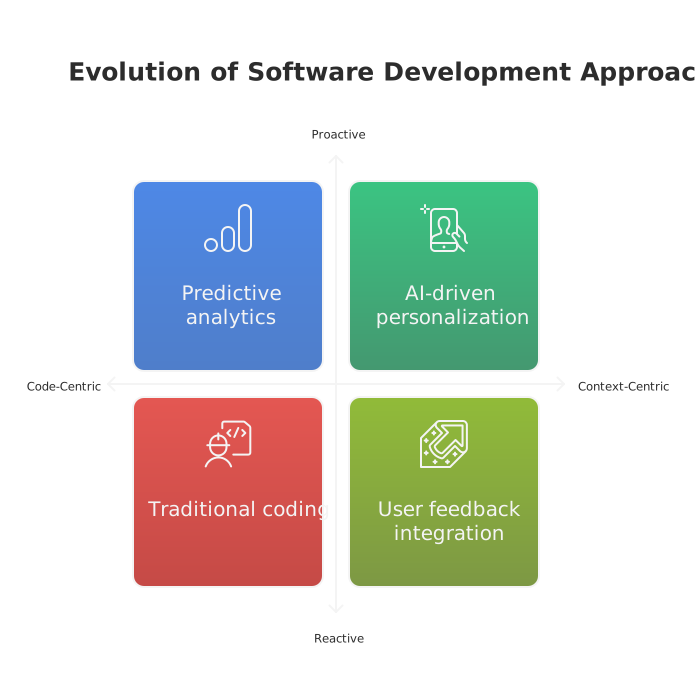
End Of Vibe Coding Rise of Context


The Evolution of Development from Vibe Coding to Context Engineering

In the evolving of today’s digital acceleration, the curtain draws on vibe coding—a development style shaped by raw instinct, aesthetic infatuation, and untethered spontaneity. A new paradigm ascends: context engineering—an intricate, precision-crafted methodology rooted in behavior analytics, intent modeling, and adaptive automation. This shift redefines how digital systems are designed, no longer as artifacts of creative flair, but as finely-tuned extensions of user consciousness.


Vibe Coding: A Stylish Relic in Decline

Vibe coding once flourished in design-centric enclaves and prototyping havens. It thrived on emotive impulses, minimal structural rigor, and a penchant for flair over functionality. However, it often constructed castles of code on foundations of sand.

Within this methodology:

  • Developers lean on personal whims rather than empirical insights
  • Systems emerge with architectural frailty and low longevity
  • Decisions lack contextual scrutiny or real-world verification

While once ideal for experimentation and visual storytelling, this mode frequently gave rise to disjointed UX flows, latent bugs, and spiraling technical debt.

End of Vibe Coding, Rise of Context Engineering - visual selection

Context Engineering

Context engineering is the deliberate orchestration of digital environments that morph intelligently based on user attributes, behavioral telemetry, and environmental stimuli. It’s not about crafting what looks good—it’s about building what resonates with functional purpose.

The spine of this approach includes:

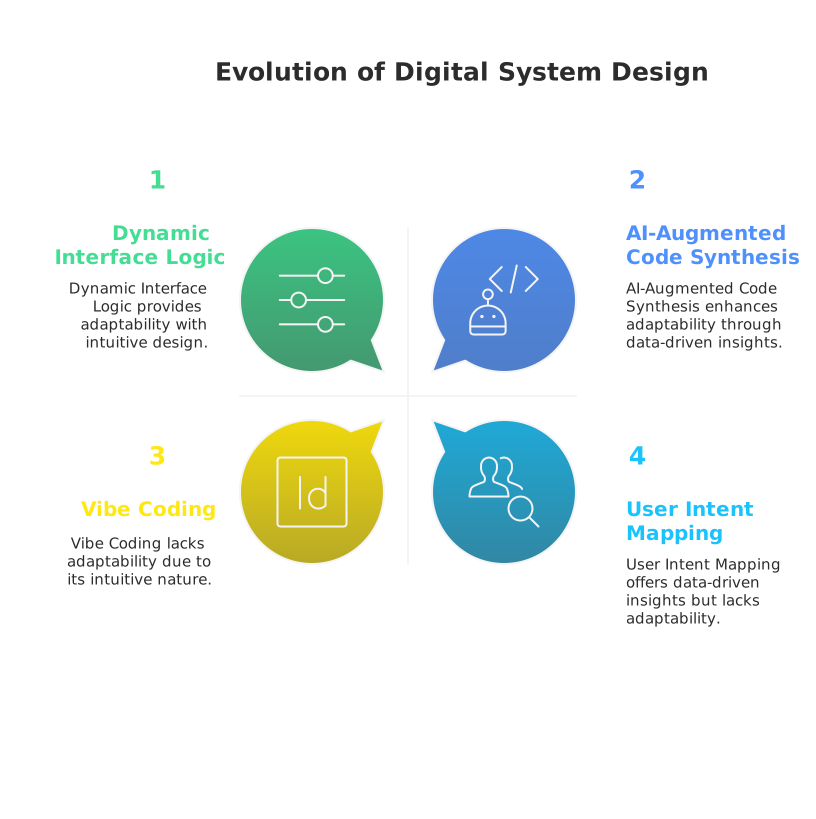
  • User Intent Mapping
  • Contextual Behavior Modeling
  • Semantic Input Analysis
  • Dynamic Interface Logic
  • AI-Augmented Code Synthesis

Engineers architect these systems not with guesses—but with data-borne empathy, aligning every feature with a user’s rationale and rhythm.

AI’s Pivotal Axis in Context Engineering

Artificial intelligence undergirds the evolution of context engineering. Its faculties:

  • Forecast behavioral patterns via longitudinal usage
  • Tailor interaction scaffolds in real-time
  • Reconfigure UI paradigms per session context

Consider a search feature laced with NLP—it mutates output based on past behavior, locale, device fingerprints, and intent heatmaps. AI transmutes static UI into kinetic cognition.

The Shift: From “Code First” to “Context First”

This conceptual pivot—from building blindly to building with intent—is more than a workflow tweak. It marks a philosophical migration. Engineers no longer ask “what can we build?” but “what should we build?”

Old-School Vibe Approach:

  • Toolchain obsession
  • Build-then-pray methodology
  • Design by hunch

New-School Context Protocol:

  • Start with situational mapping
  • Chart user narratives and pain cycles
  • Construct solutions from validated friction

The delta? Sharper alignment, reduced overhaul, and software that doesn’t just work—but fits.

Real-Life Use Cases: Context in Motion

  1. Intelligent Learning Interfaces
  2. Platforms like Coursera fine-tune content flow by gauging pace, device habits, engagement windows, and prior knowledge. Lessons emerge that sync with learning behavior, not just curriculum logic.
  3. E-Commerce Intelligence Systems
  4. Engines like Shopify adapt checkout interfaces, product banners, and pricing nudges based on micro-interactions and behavioral metrics—the result: conversion fluency.
  5. Context-Aware Health Architectures
  6. Patient platforms synthesize diagnostics, device telemetry, and condition history to manifest personalized wellness blueprints.

These use cases prove one truth: context breeds cognitive resonance, which translates into better business outcomes.

Merits of Context-Centric Development

Shifting from vibes to context unveils multi-faceted gains:

  1. UX Precision
  2. Interfaces respond like a mirror—not a billboard—offering paths that feel tailored, not imposed.
  3. Efficiency in Engineering
  4. Fewer wasted features. Tighter scope. Leaner delivery. Less code; more value.
  5. Durable Architecture
  6. Systems built around context are modular and adaptive—ready for change, instead of bracing against it.
  7. Strategic Differentiation
  8. In a saturated market, personalization powered by real-time logic is a competitive moat.

Rewiring Teams for Contextual Intelligence

To embed context deeply, organizations must reconfigure their DNA.

  • Poly-skilled Squads: Blend devs, behavioral analysts, UX architects, and AI modelers
  • Perpetual Discovery: Bake in feedback cycles, event analytics, and decision loops
  • Tooling Stack: Use Segment, FullStory, and GPT-model extensions to observe, predict, and morph interface behavior in vivo

The companies that operationalize context don’t just create interfaces—they foster connection.

Looking Forward: Systems That Feel

The digital environments of tomorrow won’t just display—they’ll perceive.

Expect:

  • Voice agents tuned to emotion, tone, and urgency
  • Apps that respond to ambient light, posture, or biometric shifts
  • Platforms that rewire structure based on your browsing tempo

The destination? Systems that breathe alongside us—fluid, cognitive, and anticipatory.

Final Reflection: Engineering Meaning

Vibe coding once ignited creative freedom. But in a world awash with behavioral signals and user diversity, improvisation alone is no longer sufficient.

Context engineering is not a trend—it’s a requirement. It brings order to chaos. Purpose to pixels, which means to mechanics.

The future belongs to builders who don’t just wield syntax—but sense.

They will sculpt digital realms where every click, every swipe, every scroll matters—because it was made with someone real in mind.

Context isn’t a feature. It’s the foundation.

Related Blogs

Market Mix Modeling for a Retailer

Market Mix Modeling (MMM) to gain data-driven insights into their marketing effectiveness. By quantifying channel contributions, measuring loyalty program impact, and uncovering cross-channel synergies, the retailer achieved a 14% increase
Read More

How Intelyuga Transformed Retail Performance Analytics for a Leading Retailer

Boosting ROI by 35%, Cutting Inventory Costs by 25%, and Enhancing Customer Loyalty Retail Performance Analytics solution transformed a leading omnichannel retailer’s operations and profitability. Addressing challenges like fragmented data,
Read More

CASE STUDY: Data-Driven Food Customer Analytics

This case study explores how a multinational food manufacturer leveraged Food Customer Analytics to transform its operations, drive growth, and enhance customer engagement. By implementing a comprehensive data-driven approach encompassing
Read More

Data-Driven Telecom Analytics

CASE STUDY: Data-Driven Telecom Analytics Boosting Revenue with Targeted Cross-Selling and Upselling for a Leading Telecommunications Provider Aiming for 15% Revenue Growth Data-Driven Telecom Analytics solution helped a leading telecommunications
Read More

Data-Driven Campaign Effectiveness Measurement Maximizing

Maximizing ROI and Repeat Customers for a Leading AthleisureData-Driven Campaign Effectiveness Measurement solution empowered a leading multinational Athleisure brand to maximize ROI and foster repeat customers. By developing a customer
Read More

Customer Segmentation in Banking For a Mid-Sized Regional Bank Driving 45% Annual Growth

CASE STUDY: Customer Segmentation in Banking Driving 45% Annual Growth for a Mid-Sized Regional Bank Through Personalized Strategies Customer Segmentation solution enabled a mid-sized regional bank to achieve 45% annual growth by moving
Read More

Web Analytics

Harnessing the Power of Web Analytics: Gaining Insight into Your Digital Presence

In the current digital landscape, maintaining a robust online presence is essential rather than optional. Whether you are a small business proprietor, an experienced marketer, or simply someone interested in digital trends, comprehending user interactions with your website is vital. This is where web analytics becomes indispensable.

What is Web Analytics?

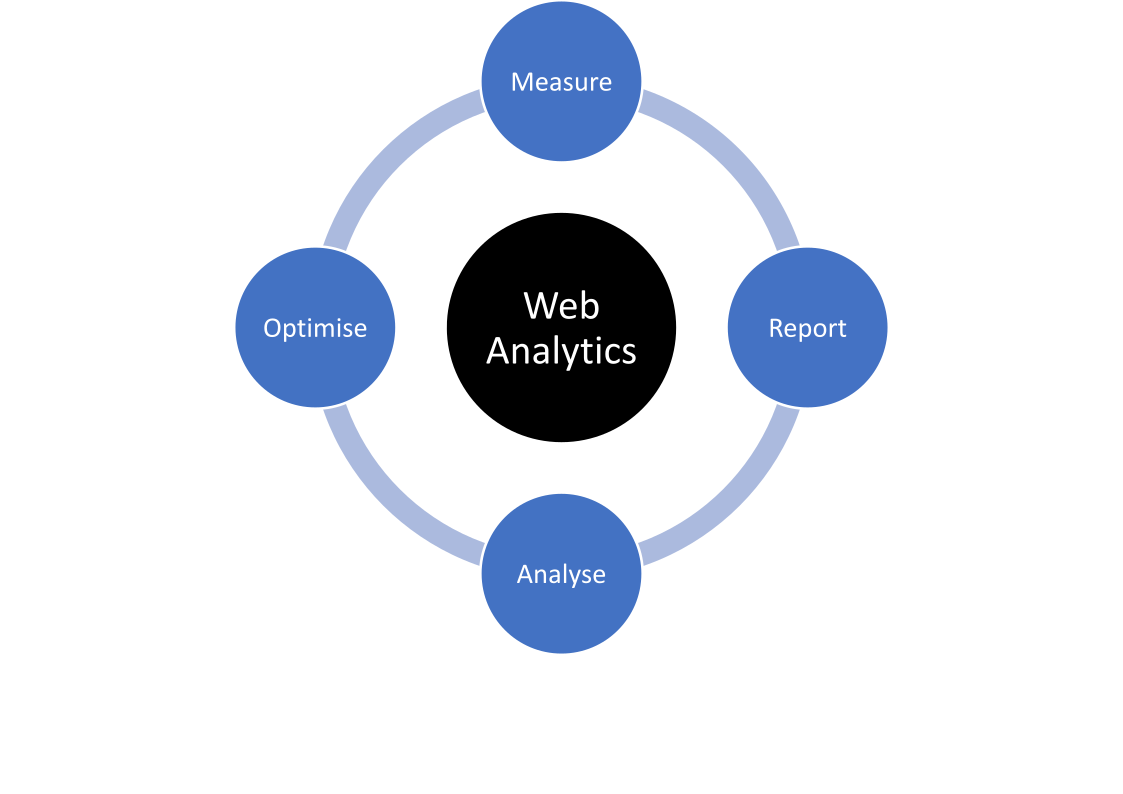
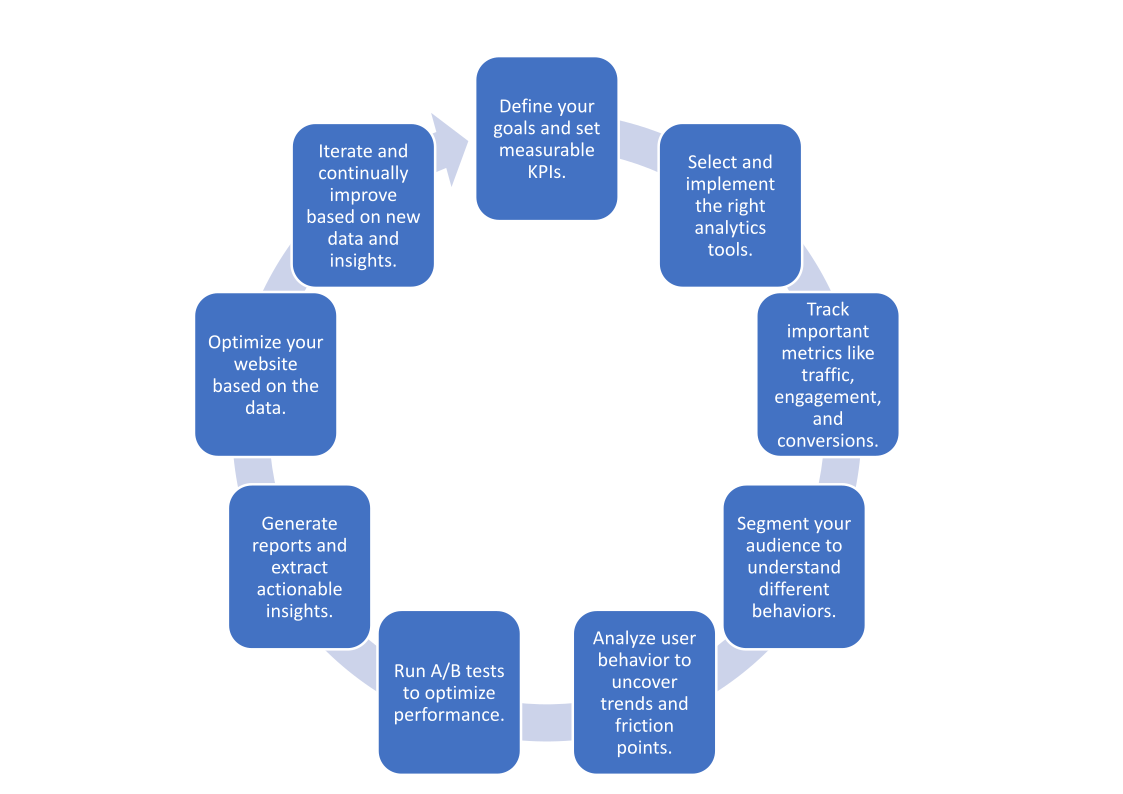
Web analytics involves the methodical analysis and interpretation of data concerning website traffic and user engagement. It encompasses the collection, processing, and evaluation of information regarding how visitors engage with your site, including traffic sources, user behavior, demographics, technical performance, and conversion rates.It covers the entire customer journey as follows: 

    1. Awareness Stage: New Visitors.
  • Consideration Stage: Pages Viewed, Bounce Rate.
  • Decision Stage: like Add to Cart ,filling out forms.
  • Purchase Stage: Conversion Success Rate.
  • Post-Purchase Stage: Repeat PurchasesCustomer Feedback Surveys.
  • Retention Stage: CLV(Customer Lifetime Value), Referred Visits.

Web Analytics Solutions for Business Optimization 

Attribution Modeling

  • Identifies which marketing channels drive conversions and measures the effectiveness of campaigns.
  • It helps businesses optimize their marketing strategies, allocate resources efficiently, and improve ROI and conversion rates.

Customer Feedback and Survey Analytics

  • Provides valuable insights into customer satisfaction and pain points, guiding product or service improvements.
  • Guides product improvements, boosts user experience, and increases loyalty by acting on feedback.

Cross-Device and Cross-Platform Analytics

  • Provides a holistic view of user behavior across multiple devices 
  • Optimize marketing and content strategies and enhances personalization by offering a seamless experience across all devices

Event Tracking

  • Provides insights into which actions users are taking and how they engage with key site elements.
  • Identifies valuable user behavior and optimizes for increased conversions.

Descriptive Analytics

  • Analyzes trends in user behavior and past marketing effectiveness. e.g., popular pages, peak traffic times
  • Informs future decisions, identifies successful strategies, and highlights areas for improvement.

User Behavior Analytics

  • Tracks user engagement and areas of drop-off on websites.
  • Helps identify website design issues, such as confusing navigation and By combining customer profiles with behavior data, businesses can optimize website content, improve navigation, and create personalized marketing strategies.

Predictive Analytics

  • Focus on high-conversion customers and enhance retention by identifying users who are at risk of churning.
  • Optimizes marketing spend by focusing resources on users most likely to engage and convert.
web 2

Real time application:

  • An e-commerce retailer uses attribution modeling, customer feedback, and cross-device analytics to improve its marketing. By tracking interactions across channels and devices, they allocate budgets to the most effective touchpoints. Real-time feedback refines the shopping experience, while cross-device data ensures smooth transitions, optimizing campaigns and boosting ROI.
  • A healthcare provider uses user behavior tracking and descriptive analysis to monitor patient interactions with their digital platform. By analyzing actions like logins, appointment bookings, and health tracking, they identify key trends. This data helps optimize the platform, personalize communication, and boost patient engagement and retention, ultimately improving outcomes and satisfaction.

Linear regression

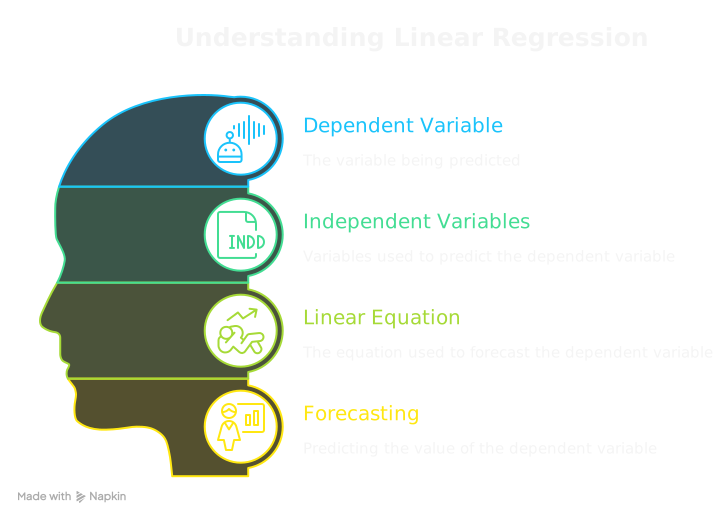
Linear regression is a key statistical technique employed to analyze the relationship between a dependent variable and one or more independent variables. Its main objective is to formulate a linear equation that can forecast the dependent variable’s value based on the independent variables’ values. The  linear regression equation is:

Y = MX + B

In this equation:

Y= denotes the dependent variable, which is the outcome we aim to predict.

X =represents the independent variable, serving as the predictor.

M =indicates the slope of the line, reflecting the change in Y for each unit change in X.

Linear Regression - visual selection (1)

B =signifies the y-intercept, which is the value of Y when X equals zero.

In the case of multiple linear regression, where several predictors are considered, the equation is extended to:

Y = β₀ + β₁X₁ + β₂X₂ + … + βₚXₚ + ϵ

In this Equation:

βᵢ are the coefficients corresponding to each predictor.

ϵ symbolizes the error term.

Predictive Analysis:

It is an essential component of advanced analytics that concentrates on forecasting future events, behaviors, and outcomes by employing historical data and statistical algorithms. This analytical technique empowers organizations to pinpoint risks, identify opportunities, anticipate changes, and project trends, thereby facilitating strategic business planning and informed decision-making.

Ordinary Least Squares (OLS) Method:

It is most commonly used for Linear Regression because of its straightforward nature, ease of interpretation, resilience when handling large datasets, well-established theoretical foundation, and the detailed output it provides.

Advantages of OLS

Unbiased Estimates (β^):OLS gives estimates for the coefficients that are unbiased, meaning that if you repeat the analysis many times, the average of those estimates will be correct.
Intercept (β₀):The intercept shows the starting point of the dependent variable when all the predictors are set to zero. It helps you understand what the baseline value is.
R-squared (R²):This value tells you how well your model fits the data. An R² close to 1 means that your model explains a large portion of the variability in the dependent variable.
Statistical Significance (p):P-values help determine how important each predictor is. A low p-value (like less than 0.05) indicates that the predictor has a significant effect on the outcome.
Interpretability (βᵢ): This coefficient provide clear insights into the relationships between variables. For example, if a coefficient is 2, it means that for every one-unit increase in that predictor, the dependent variable increases by 2 units.
Adjusted R² helps you understand how well your regression model explains the data while accounting for the number of predictors. It prevents overfitting by penalizing unnecessary variables.
F-statistics tests whether your model as a whole is statistically significant, indicating if at least one predictor has a meaningful relationship with the dependent variable.
Diagnostic Tools:Tools like residual plots and statistical tests check if your model’s assumptions (like linearity) are valid, ensuring your results are reliable.
Simplicity:OLS is easy to use and doesn’t require advanced statistical knowledge, making it accessible for many people.

Linear Regression - visual selection (5)

Practical Considerations

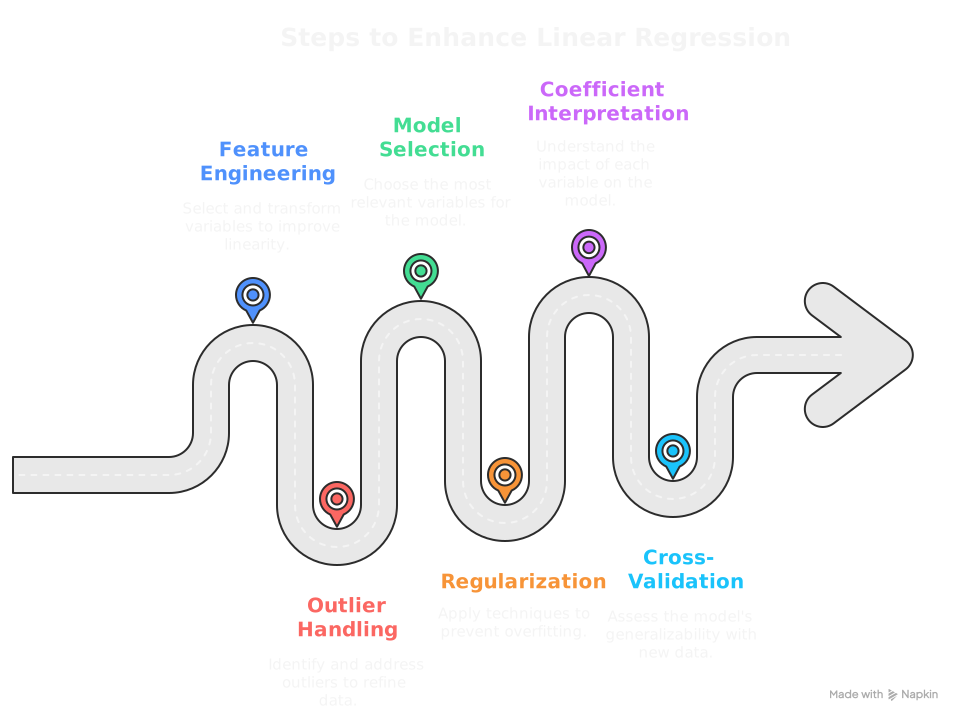
  • Feature Engineering: Carefully select and transform your independent variables. This may involve creating new variables from existing ones, or applying transformations (e.g., logarithmic, polynomial) to improve the linearity of the relationship.
  • Outlier Detection and Handling: Identify and address outliers in your data, as they can have a significant impact on the regression results. Consider removing outliers, transforming the data, or using robust regression techniques.
  • Model Selection: When dealing with multiple independent variables, it’s important to select the most relevant variables for the model. Techniques like stepwise regression, forward selection, and backward elimination can be used to identify the best subset of variables. Regularization techniques like Lasso and Ridge regression can also be used for feature selection and to prevent overfitting.
  • Regularization: Techniques like Ridge and Lasso regression can help prevent overfitting, especially when dealing with a large number of independent variables. Ridge regression adds a penalty term to the loss function that is proportional to the square of the coefficients, while Lasso regression adds a penalty term that is proportional to the absolute value of the coefficients.

Interpretation of Coefficients: Carefully interpret the coefficients of the regression model. Remember that the coefficient for each independent variable represents the change in the dependent variable for a one-unit change in that independent variable, holding all other variables constant. Be mindful of the units of measurement and the potential for confounding variables.Cross-Validation: Use cross-validation techniques to assess the generalizability of the model to new data. This involves splitting the data into multiple folds, training the model on a subset of the folds, and evaluating its performance on the remaining folds.